Unparalleled experience in nearly every major market
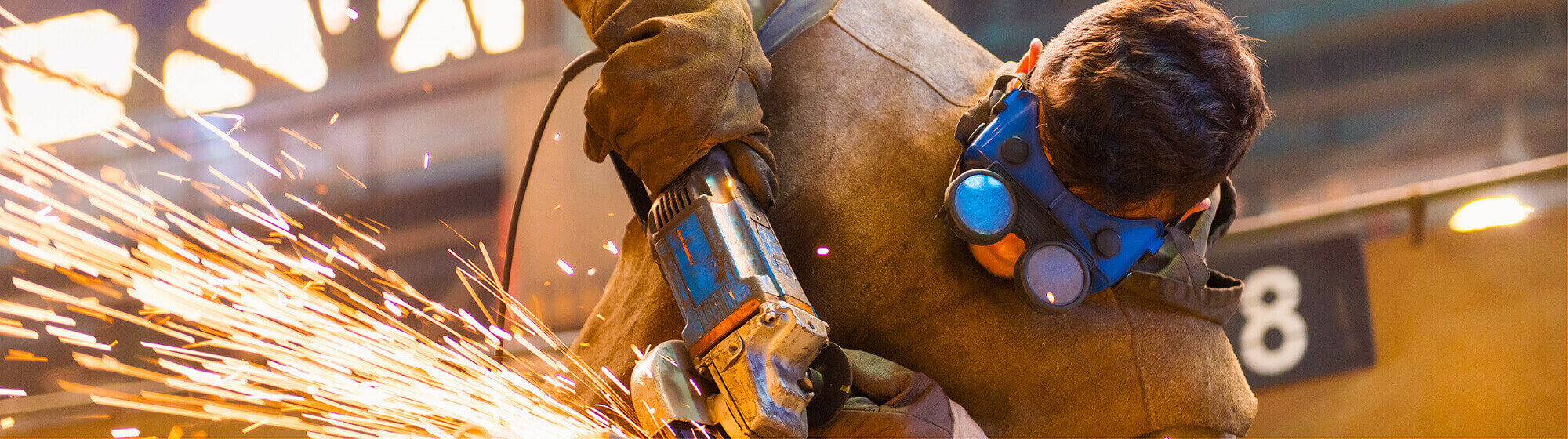
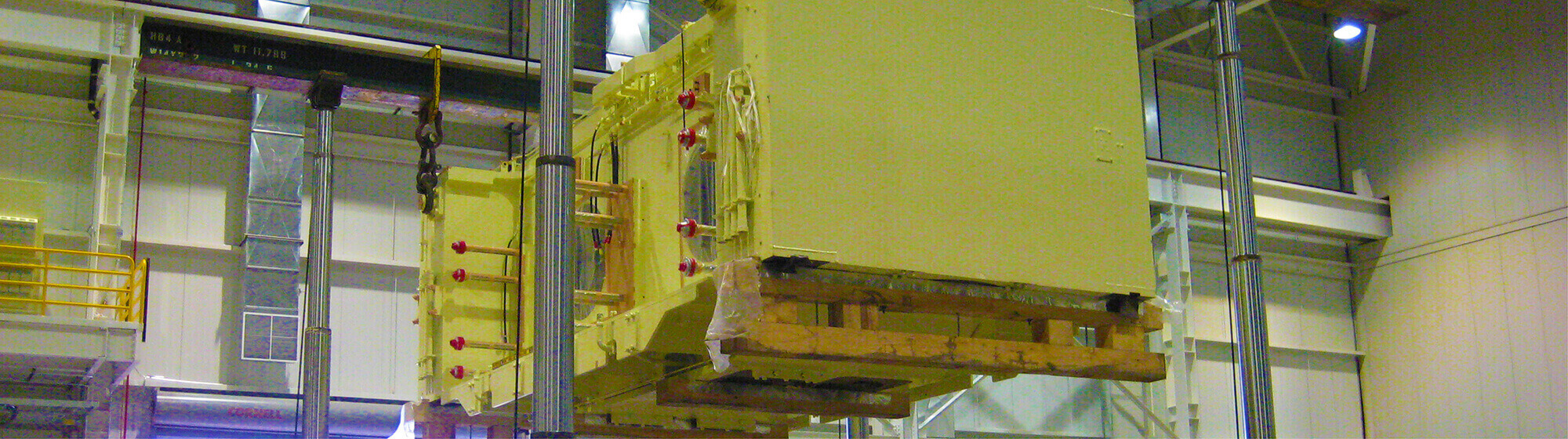
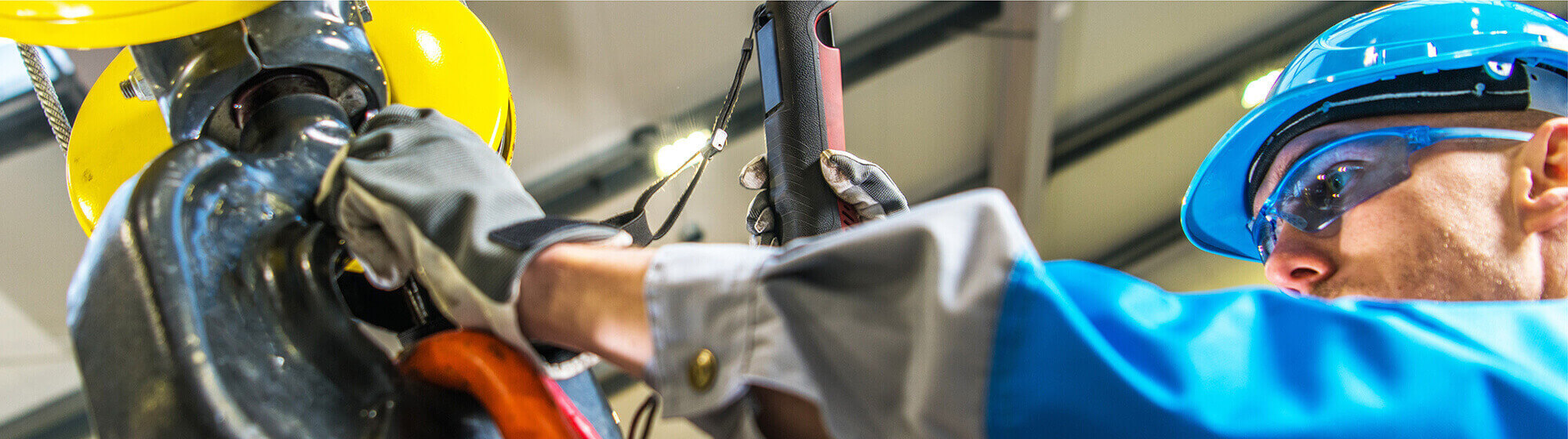
We offer a full suite of millwrighting services that includes installing, setting, aligning, and leveling various types of machinery and equipment, as well as dismantling, refurbishing, reassembling, and moving services for machinery and equipment.
About Us
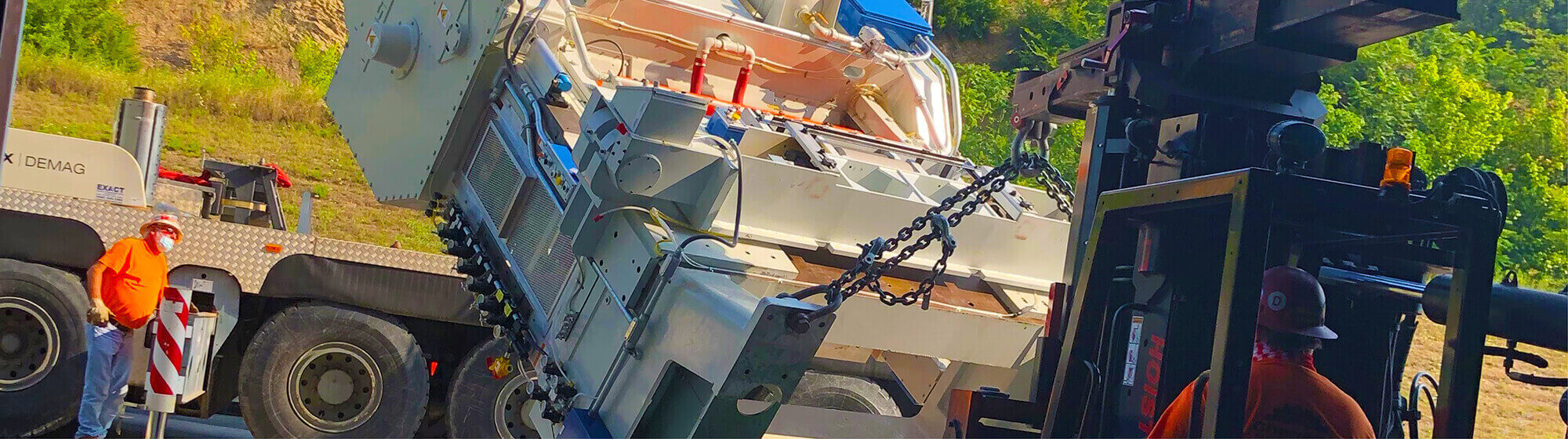
We are a full-service millwright firm dedicated to helping you pick up machinery, transport it to the job site and install it.
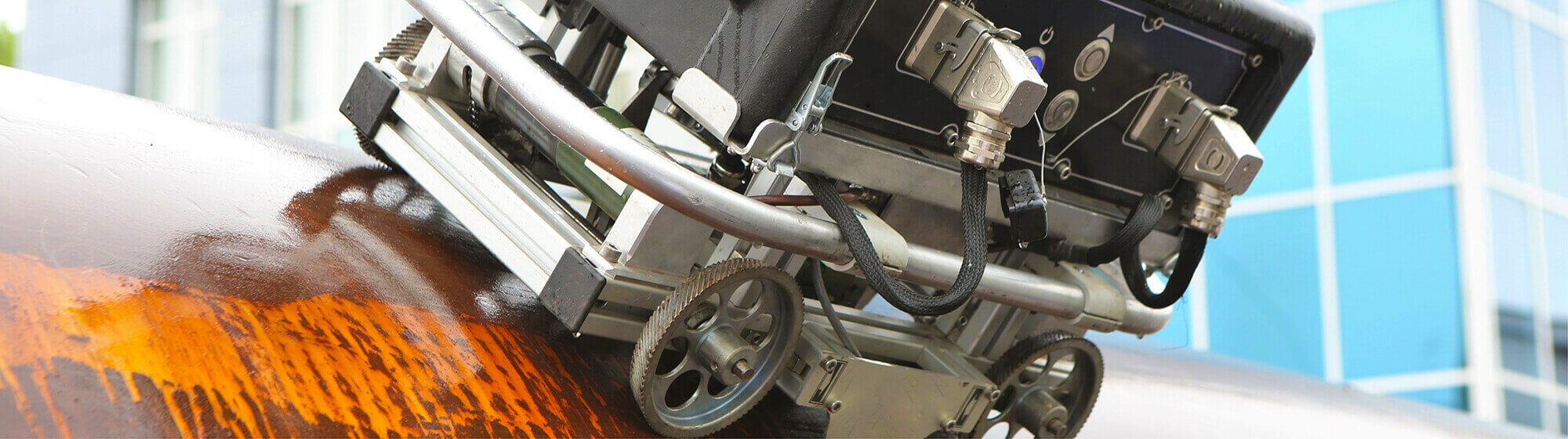
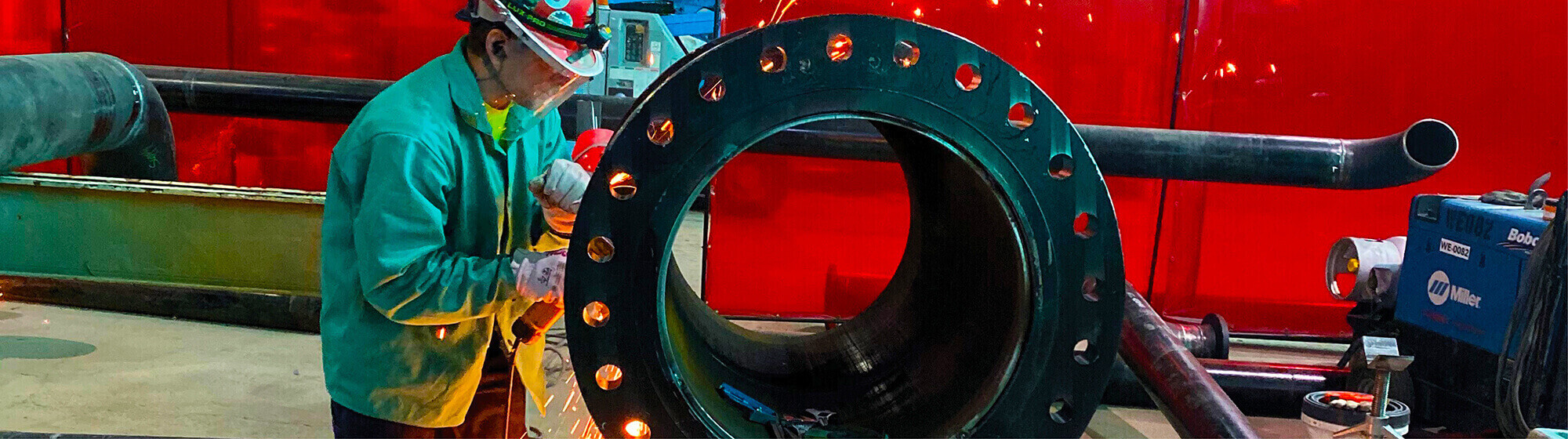
We have an in-house metal fabrication shop and a Robotics Division to provide robotic solutions for manufacturing, production, warehousing and other industrial applications.
At Cherokee Millwright, it’s not what can we do – it’s what can’t we do.
2023 HVAC EFFICIENCY
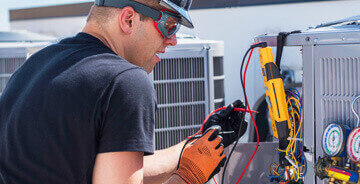
Prepare now for the Department of Energy's 2023 HVAC Minimum Efficiency Standards. We can help you assess your equipment and develop a plan.
Leadership
 Russ Bradberry, Business Unit Manager of Cherokee Millwright, is just one of the many people that deliver projects that meet our clients most exacting standards.
MILLWRIGHT SERVICES
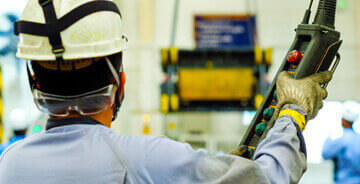
We can handle virtually every millwright challenge from installation, setting, and alignment to dismantling, refurbishing, and reassembly.
Automation
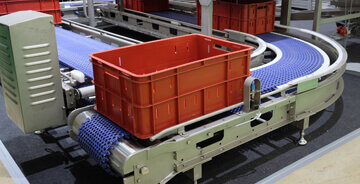
We offer custom, turnkey automation solutions for our clients, encompassing design, installation, programming, mapping, maintenance, and support for a range of applications.
Concrete Construction
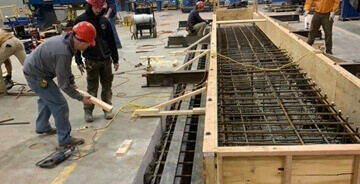
From precision cutting on plant floors to heavy structural foundations, we deliver an array of high-tolerance, high-strength concrete solutions across several markets.